




Asking vs Listing Price: What They Mean & How They Differ
November 28, 2025
Preparing Your Home for Sale: Essential Steps Before Selling
December 5, 2025New Roof Before Selling: Is It Worth It?
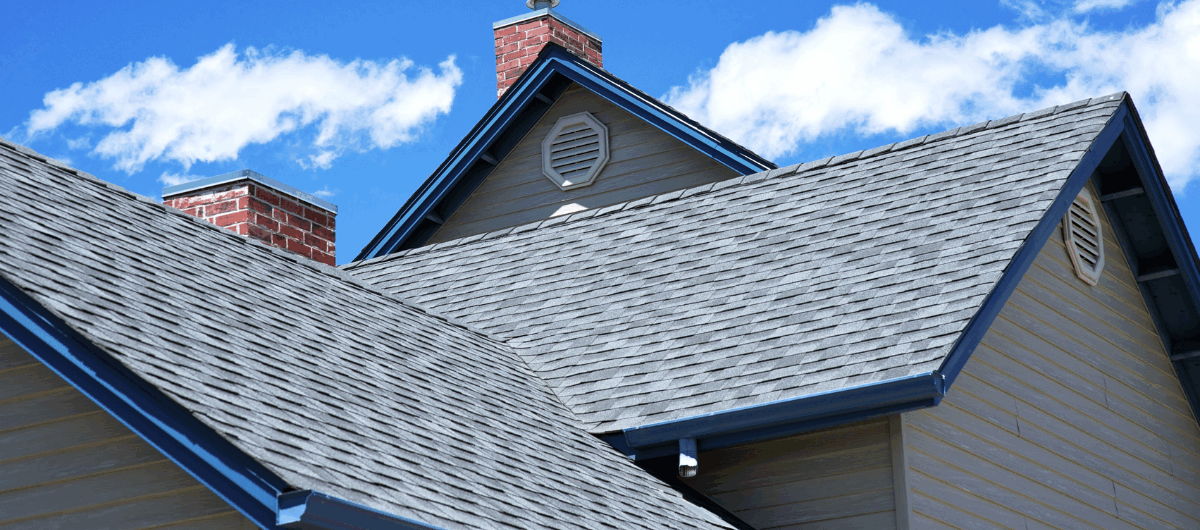
Replacing your roof before putting your home on the market is one of those decisions that keeps many homeowners up at night. You know the roof is aging, and you might be asking yourself, “Does a new roof increase home value enough to be a good investment, or should I spend that money on other home renovations?” The answer is nuanced, and understanding the factors that determine your return on investment can help you make the smartest choice for your situation and for your house.
A new roof can increase your home’s value. It can also make it easier to sell and help it sell faster. Pairing a solid roof with smart pricing, staging, and marketing—like these tips for helping you sell your home fast and for more money—can give you a real edge when you list. But it won’t always give you a dollar-for-dollar return. In BC’s competitive housing markets, from Vancouver to Victoria, the condition of your roof plays a critical role in buyer perception, negotiation power, and final sale price. Whether you should replace your roof before selling depends on its current condition, your local market dynamics, and how you position the investment strategically.
How Much Does a New Roof Increase Home Value?
The financial impact of a new roof varies considerably based on multiple factors, but research provides some solid benchmarks to work with. Many homeowners first want a simple answer to the question, “Does a new roof increase home value in every market?” The truth is that results differ, but in BC, homeowners usually get back about 60% to 70% of their roof replacement costs through increased home value, which is a strong percent return compared with many other home renovations. For you, the key question is how much value that new roof will actually add when it’s time to sell.
For asphalt shingle roofs—the most common choice in BC—you can expect to add about $18,000 in resale value. This works out to an average return on investment of around 61%. This means a new asphalt shingle roof in Greater Vancouver may cost $22,000 to $28,000. A new asphalt roof at that price is not cheap, but the roofing cost is often easier to accept when you understand how much value it returns at sale. Your home’s value might only increase by about $15,000 to $18,000. While you won’t get your full investment back immediately, the benefits extend beyond pure dollars and into comfort, curb appeal, and shorter time on market for your house. For many homeowners, that value increase still feels like a worthwhile investment.
Metal roofing offers different economics. Metal roofs can add about $23,000 to your home’s value, but in BC they usually cost $28,000 to $48,000 to install. Because of this, your return on investment drops to about 48–50%. However, metal is one of the most durable roofing materials available and can deliver long-term benefits like 40–70 year lifespans and superior performance in BC’s challenging climate, which many buyers are willing to pay for over time.
High-end materials like slate roofing, tile, or architectural composites can add substantial value, but only in the right markets. These premium roofing materials work best in upscale neighborhoods where home buyers expect luxury finishes and are willing to pay for slate or wood and similar upgrades. In mid-range markets, investing in premium materials typically won’t generate proportional returns.
The timing matters too. Selling with a roof that’s nearing the end of its lifespan can actually decrease your home’s value more than the cost of replacement. Appraisers and potential buyers will factor in the immediate need for replacement, often requesting price reductions that exceed what you would have spent on the new roof. That’s also when it becomes important to understand the gap between your asking vs listing price, so you know how much room you really have to negotiate without giving away your roof investment. In other words, a worn or clearly old roof can drag down the appraisal value of the entire property.
In BC’s transparent real estate market, you can’t hide roof problems. Property disclosure statements are standard, and trying to conceal issues can lead to legal trouble. Even if you decide to focus on targeted roof repair instead of a full replacement, you’ll still need to show buyers honest information about the condition of the system.
Market conditions also influence your return. In BC’s Lower Mainland, average home prices were over $1.2 million in 2025. A new roof is a smaller share of the total property value. However, it still plays an important role in keeping your home competitive on the market and reducing your time on market. In regions like the Interior or Vancouver Island, where home prices are more moderate, the proportional impact of a new roof on overall home value can be more significant, and many buyers will see a fresh roof as a significant selling point.
Factors That Influence the Value of a New Roof
Understanding what drives the value of a roof replacement helps you make smarter decisions about whether and when to invest in this upgrade.
Current Roof Condition & Repairs
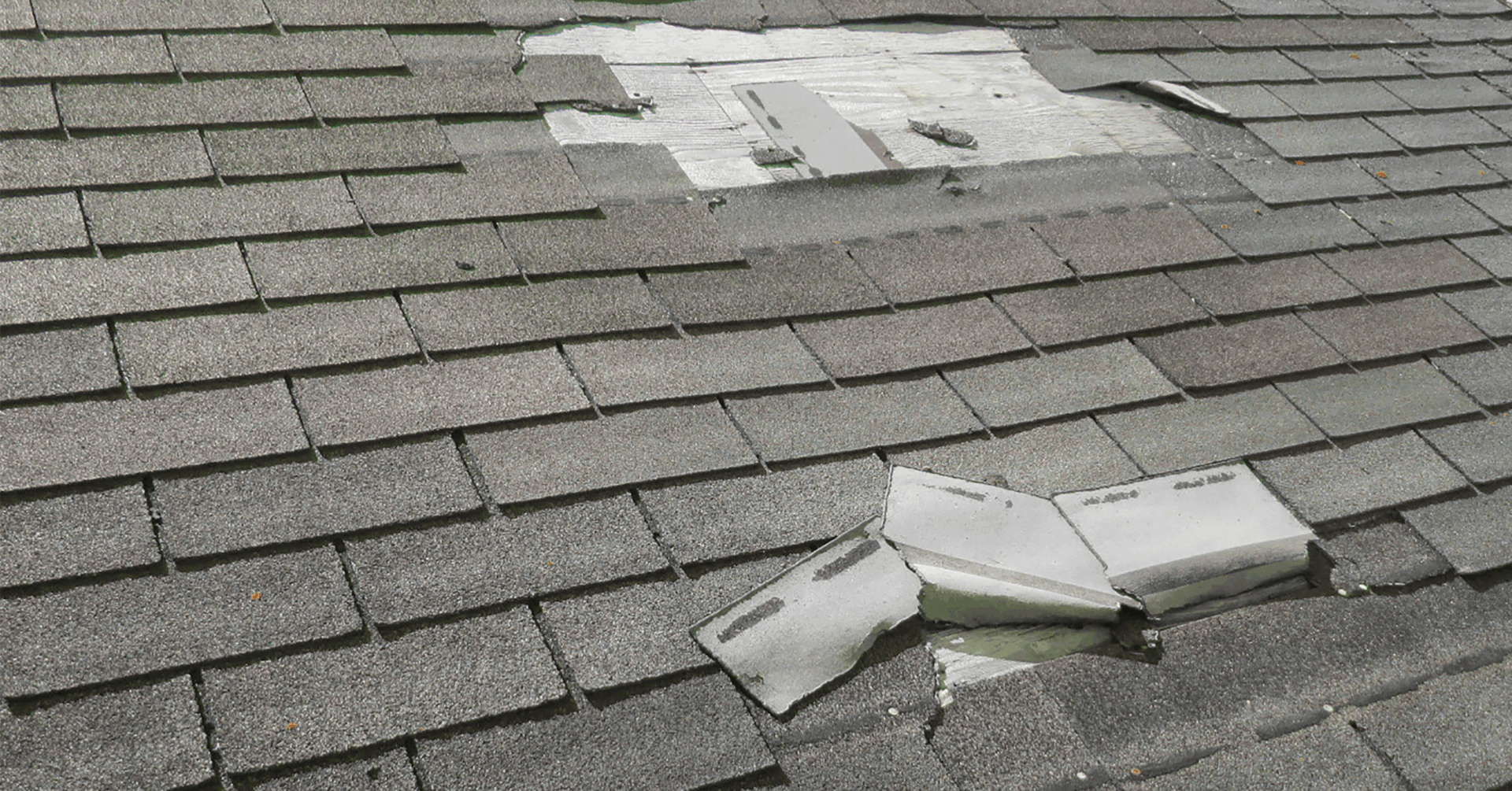
The condition of your existing roof is the single most important factor in determining whether replacement makes financial sense. If your roof is actively leaking, you should replace it before selling. The same is true if shingles are missing or damaged, or the roof is sagging. Replacement is also essential if the roof has reached about 80% of its expected lifespan. Buyers in BC are increasingly educated about home maintenance, and they won’t overlook obvious roof problems.
An inspection report revealing roof damage gives buyers powerful negotiation leverage. Many will either walk away entirely or demand price reductions that often exceed the actual cost of repairs. Worse, some buyers may lowball their offers assuming the worst-case scenario, leaving you with less control over the outcome.
On the other hand, if your roof is only five to ten years old and in good condition, replacement may not provide meaningful value. Buyers generally expect basic home systems to be functional, and exceeding those expectations doesn’t always translate to higher offers. Your money might be better spent on other remodeling projects or cosmetic home renovations that create more buyer excitement.
Local Market Dynamics
British Columbia’s diverse real estate markets respond differently to roof replacements. In Vancouver’s competitive seller’s market, where multiple offers are common, a new roof can be the differentiator that helps your home stand out. Buyers facing bidding wars appreciate move-in ready homes where they won’t face immediate major expenses.
In markets experiencing slower sales, like some Interior BC communities, a new roof might be necessary just to generate interest. If your listing has already been sitting with little activity, it may be time to look at roof condition alongside other reasons why your home is not selling. Buyers have more options in these markets and can afford to be selective, often passing on homes with deferred maintenance issues.
Regional climate considerations matter too. In coastal areas like Vancouver and Victoria, where persistent rainfall, high humidity, and moss growth are concerns, buyers pay close attention to roof condition. They understand that BC’s wet climate is hard on roofs and want assurance that they won’t face water damage, high energy costs, or premature deterioration. In these markets, highlighting features like proper ventilation, quality underlayment, and moss-resistant shingles can add value and help keep future energy bills more predictable.
Neighborhood Comparables & Curb Appeal
Your roof replacement needs to match your neighborhood’s standards. Installing luxury slate tiles on a modest starter home won’t pay off. You’ll end up with the most expensive roof on the block. But nearby home sales won’t support a higher asking price.
Conversely, in upscale areas, budget-level materials can actually hurt your home’s value. If nearby homes have architectural shingles or other premium materials, using basic 3-tab shingles can backfire. It may signal to buyers that your home has been maintained to a lower standard than others in the area.
Energy Efficiency and Modern Features: Benefits for Buyers
BC buyers are increasingly focused on energy efficiency and sustainability. Cool roof technology, which uses reflective materials to reduce heat absorption, can lower cooling costs during summer months and improve indoor comfort. Vancouver’s mild climate means cooling costs aren’t as big a factor as in many other places. However, heat waves—like the 2021 heat dome—are happening more often, so energy-efficient features are becoming more attractive to buyers who want both short-term comfort and long-term benefits.
Proper insulation and ventilation systems that work with your new roof to stabilize indoor temperatures and reduce heating costs appeal strongly to environmentally conscious buyers. These features won’t just increase your home’s value. They can also qualify for energy rebates. For example, CleanBC offers rebates up to $5,500 for insulation improvements when combined with other energy-efficient upgrades.
Transferable Warranties
Warranties provide valuable peace of mind to buyers. BC’s roofing industry offers several warranty programs. One example is the RoofStar Guarantee from the Roofing Contractors Association of BC. It can provide 5-, 10-, or 15-year warranties, depending on the materials used and how the roof is installed. These third-party warranties are transferable to new homeowners and can be a powerful selling point. Material warranties typically cover defects in the roofing products themselves, while workmanship warranties cover installation quality. Make sure you understand what’s covered and for how long, and be prepared to transfer these warranties to your buyer. Having documentation showing that your roof installation was performed by licensed contractors and backed by reputable warranties adds credibility and value.
Best Roofing Materials for Resale Value: Asphalt Shingles, Slate, Metal Roofing & Other Types of Roofing Material Options
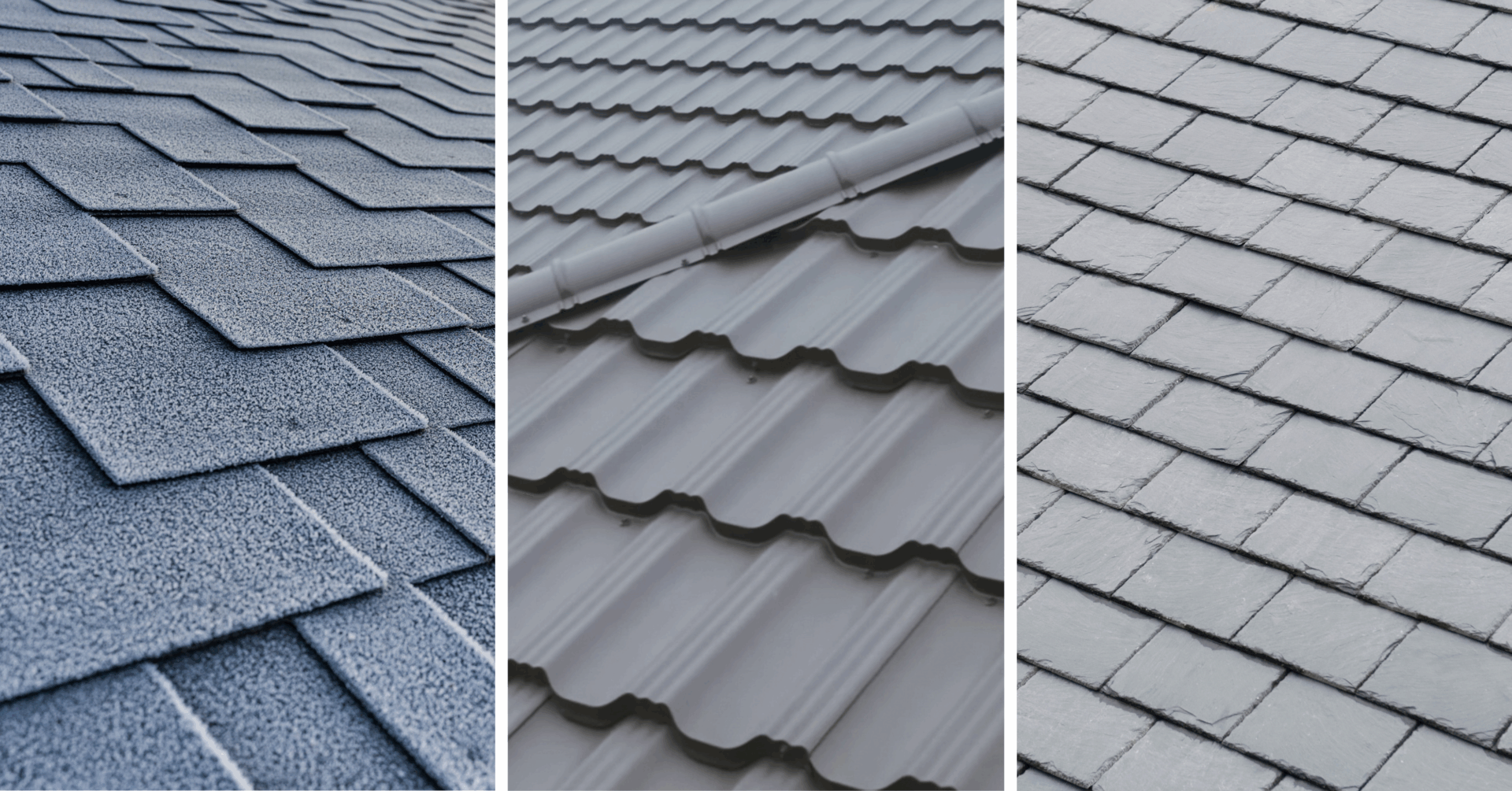
If maximizing resale value is your primary goal, focus on roofing materials that match your market while emphasizing durability and low maintenance.
For most BC markets, architectural asphalt shingles from reputable manufacturers represent the optimal choice. They’re familiar to buyers, priced appropriately for mid-range homes, and offer the performance characteristics BC buyers expect. Choose neutral colors that complement your home’s exterior—grays, browns, and blacks tend to have the broadest appeal and won’t raise eyebrows during showings.
In Vancouver’s wet climate, look for shingles with algae-resistant granules and enhanced waterproofing features. Many manufacturers now offer “cool roof” colors within their standard architectural lines, providing energy efficiency benefits without premium pricing. These shingles incorporate reflective granules that reduce heat absorption, lowering cooling costs and extending shingle life by reducing thermal stress.
Consider your home’s architectural style when selecting materials. Contemporary homes can carry off the clean lines of metal roofing or sleek architectural shingles in darker colors. Traditional homes often look best with dimensional shingles in natural tones that create visual warmth. Character homes might require cedar or specialty shingles to maintain their authentic appearance.
Whatever material you choose, make sure the installer uses quality underlayment, proper ventilation, and professional flashing around penetrations and valleys. In BC’s wet climate, synthetic underlayment usually performs better than traditional felt. Buyers who do their homework will ask about these details, and evidence of quality installation adds value beyond the visible materials.
Take Care When Negotiating With Buyers: Practical Tips for Sellers
Even with a new roof, negotiations around roofing can still emerge during the sale process. Understanding how to position your roof replacement and handle buyer concerns protects your investment.
Document Everything
Keep detailed records of your roof replacement, including contracts, material specifications, warranty documents, and photos of the installation process. Create a folder with this information to share with potential buyers. Documentation demonstrates professionalism and gives buyers confidence that the work was done properly.
If your roof was installed by a licensed contractor who’s a member of professional organizations like the Roofing Contractors Association of BC, highlight this fact. Third-party oversight and professional credentials reduce buyer concerns about workmanship quality.
Disclosure Requirements
In British Columbia, while property disclosure statements aren’t legally mandatory, they’ve become standard practice for MLS listings. These forms require sellers to answer detailed questions about property condition, including roof age and known problems.
Be thorough and honest in your disclosures. The BC Court of Appeal has established that sellers must disclose what they actually know, but they’re not required to speculate about potential future problems. If you replaced your roof three years ago and it’s performed well, you can state this confidently. If you’re aware of any issues—even minor ones—disclose them. The cost of being forthright is almost always less than the legal and financial consequences of non-disclosure.
Handling Buyer Requests
Despite having a new roof, buyers might still raise concerns during their home inspection. Perhaps they want verification that permits were pulled, or they’re questioning whether ventilation is adequate. Be prepared to address these concerns promptly with documentation and expert opinions.
If your roof is older but still functional, buyers might request price reductions or credits for future replacement. In these situations, having a recent professional inspection can help you negotiate from a position of knowledge rather than speculation. If an inspection shows your 18-year-old roof has 5-7 years of remaining life, you can counter lowball requests with objective evidence.
Consider offering a pre-listing roof inspection to identify any issues before your home hits the market. This proactive approach lets you address problems on your terms and timeline rather than scrambling to respond during negotiations. It also demonstrates transparency that buyers appreciate.
Credit vs. Completion
If negotiations do require some roof work, you’ll face the choice between completing repairs yourself or offering buyers a credit at closing. Each approach has advantages. Completing work yourself lets you control costs and quality, ensuring repairs are done properly at competitive prices. However, this extends your timeline and requires you to manage contractors while trying to sell.
Offering credits keeps the transaction moving and transfers the burden of managing repairs to buyers. However, buyers often request inflated credits to cover worst-case scenarios, and you lose control over how the work is actually performed. In BC’s market, credits are becoming more common, but make sure any credit amount is tied to specific estimates from licensed contractors rather than arbitrary figures.
Legal Guidance
For complex situations—significant roof damage, prior repairs that didn’t resolve issues, or disputes about responsibility—consult with a real estate lawyer before negotiating. BC’s real estate laws provide protections for both buyers and sellers, but navigating them requires expertise. The few hundred dollars spent on legal advice can save thousands in negotiation mistakes or future liability.
Is it Time for Roof Replacement on Your Home?
Making the final decision about roof replacement requires weighing multiple factors against your specific situation.
Get a Professional Assessment
Before committing to replacement, invest in a thorough inspection by a qualified roofing contractor. BC home inspectors examine roofs as part of standard home inspections, but roofing specialists provide more detailed assessments of remaining lifespan, repair options, and replacement costs.
A professional can identify issues that aren’t obvious to homeowners—inadequate ventilation, failing underlayment, or subtle signs of water intrusion. They can also provide accurate cost estimates for both repairs and full replacement, giving you the information needed for good decision-making.
If an inspection shows your roof has 30% or less of its life left, replacement usually makes financial sense. The same is true if there are active problems that need major repairs before you sell. If your roof has at least 50% of its expected life left and no major issues, you probably don’t need to replace it. The main exception is if you’re in a very competitive market where every advantage matters.
Consider Your Timeline & Roofing Costs
Roof replacement takes time—typically 3-7 days for the installation itself, plus additional time for permits, material selection, and contractor scheduling. In BC, weather can also impact timelines, as roofing work requires dry conditions. Spring and summer are peak seasons for roofing work, which means longer wait times but also optimal installation conditions.
If you need to sell quickly, a full replacement might not be feasible. Things can feel even more complicated if you’re a landlord; if you want to sell but you have tenants, roof work and showings both need extra planning and communication. In these situations, focus on necessary repairs that address visible problems and prevent further damage. Even basic repairs—replacing damaged shingles, cleaning gutters, removing moss—can improve your roof’s appearance and reduce buyer concerns.
Calculate Your Break-Even & Return On Investment
Do the math on your specific situation. This is also a good moment to get real with your real estate goals so your roofing decision lines up with what you actually want from this sale—speed, top dollar, or a stress-free move. If roof replacement costs $25,000 and you recoup $17,000 in added value, you’re really spending $8,000. That $8,000 is what you pay for the privilege of selling your home in better condition. For some sellers—particularly those in competitive markets or with homes that need every advantage—this investment makes sense. For others with less urgency or different financial priorities, it might not.
Factor in how long you’ll continue living in the home before selling. If you’re replacing the roof six months before listing, you’ll also enjoy those six months with the peace of mind of a sound roof. If you’re replacing it specifically to list immediately, the cost-benefit calculation changes. Staying organized now will also help you be prepared when buying your next home, because you’ll know exactly what to look for in the roof and inspection reports when you’re on the buyer’s side again.
Explore Alternative Solutions
For roofs with minor issues, repairs might provide better returns than full replacement. Replacing damaged sections, improving flashing, cleaning and treating for moss, and ensuring proper ventilation can address buyer concerns at a fraction of replacement cost.
Some BC contractors now offer roof rejuvenation services that clean, treat, and seal existing roofs, extending their lifespan and improving appearance. These services typically cost 50-70% less than replacement and can add 5-10 years to a roof’s life. For roofs in decent structural condition but showing cosmetic age, rejuvenation might be the cost-effective solution that satisfies buyers without over-investing.
Think Long-Term About Your House
Finally, consider your attachment to the sale outcome. If you’re set on getting a certain price and want to sell with no regrets, a new roof can be worth the cost. Sometimes the peace of mind alone makes it worthwhile. If you’re more pragmatic about market realities and willing to negotiate, you might accept a slightly lower price rather than investing in replacement.
In BC’s fast-moving real estate market, home values are strong but buyers expect a lot. That means a new roof is often more of a strategic move than a simple dollars-and-cents investment. The combination of increased marketability, reduced negotiation friction, faster sales timelines, and buyer confidence often justifies the investment—particularly when your existing roof shows significant age or damage.
Take the time to assess your specific situation thoroughly. Consult with roofing professionals, real estate agents familiar with your local market, and trusted advisors who understand your financial goals. The right decision balances market realities, your home’s condition, and your personal priorities to position your property for a successful sale while protecting your investment.
Before you decide whether to replace your roof or make repairs, it can really help to talk through the numbers and your options with a local expert. If you’d like advice that’s specific to your home, market, and budget, reach out to Monica Harmse, a trusted Port Moody realtor. She can review your roof report, compare recent sales, and help you choose the strategy that will net you the best return when you sell.